International Studies Conference 2026
Pakistan and the Region Beyond: Navigating Conflict, Geopolitical Flux and Economic Opportunities
Dates
July 8-11, 2026
Venue
Baragali Campus, Peshawar
Expected Participants
200+
Paper Presentations
20+ Papers
Background
The International Studies Conference 2026, organized by the consortium of HEIs, represents a significant milestone in advancing academic inquiry into the Pakistan–Afghanistan region and its wider geopolitical environment. Hosted at the historic Baragali Summer Campus of the University of Peshawar, this flagship event brings together distinguished scholars, policymakers, practitioners, and emerging student leaders from around the world.
The conference focuses on critical inquiry into the Pakistan–Afghanistan region and adjacent frontier spaces, exploring historical continuities, evolving political dynamics, security challenges, economic transformations, and societal change. By examining both old and emerging frontiers, the conference aims to make these complex spaces more politically legible through rigorous interdisciplinary dialogue.
The Department of International Relations at the University of Peshawar has a long-standing tradition of excellence in teaching and research, with particular expertise in regional studies. Through this annual conference, we strengthen our commitment to fostering scholarly exchange that bridges academic research with policy-oriented perspectives, contributing meaningfully to regional understanding and cooperation.
Conference Objectives
Our goals for creating a meaningful academic experience
Investigate the historical, socio-cultural, political, and economic dimensions of frontier regions as spaces of separation and connectivity.
Examine emerging challenges and new opportunities in Southwest and Central Asia amid globalization and evolving power structures.
Encourage interdisciplinary discussions on conflict, security, migration, identity, governance, sustainability, and resistance.
Foster academic growth among university students through dedicated panels, mentoring sessions, and research forums.
Develop practical recommendations for peacebuilding, inclusive development, and effective frontier governance.
Host Institution
Baragali Summer Campus
University of Peshawar
Established in 1950, the University of Peshawar is one of Pakistan’s oldest and most prestigious institutions of higher learning. With a rich history of academic excellence, the university has been at the forefront of research and education in the region.
The Department of International Relations is renowned for its contributions to regional studies, with particular expertise in the Pakistan–Afghanistan region and broader Southwest Asian dynamics. The historic Baragali Summer Campus provides an ideal setting for scholarly exchange and academic engagement.
25k+
Students Enrolled
Top
National Ranking
75+
Years of Excellence
50+
Academic Programs
Conference Themes
Explore diverse areas of international studies through our thematic tracks
Pakistan–Afghanistan Relations and Regional Geopolitics
Focuses on bilateral relations, border dynamics, security challenges, trade cooperation, and the broader geopolitical impact on the region.
Regional dynamics, strategic relations, and geopolitical shifts
Explores changing power structures, regional alliances, governance challenges, and the strategic transformations shaping South and Central Asia.
Conflict, Peacebuilding, and Security Studies
Security challenges, conflict resolution, and peacebuilding initiatives.
Political Economy and Regional Development
Economic transformations, development, and regional cooperation.
Society, Identity, and State–Frontier Relations
Social dynamics, identity politics, and state-frontier interactions.
Migration, Refugees, and Border Management
Population movements, refugee crises, and border governance.
Climate Change and Non-Traditional Security
Environmental challenges and emerging security threats.
Diplomacy, Foreign Policy, and Strategic Trends
Diplomatic practices, foreign policy, and strategic developments.
Preventing/Countering Violent Extremism (P/CVE)
Ideological Drivers of Extremism; Socio-economic Pathways to Radicalization; State Policies and Strategies for CVE.
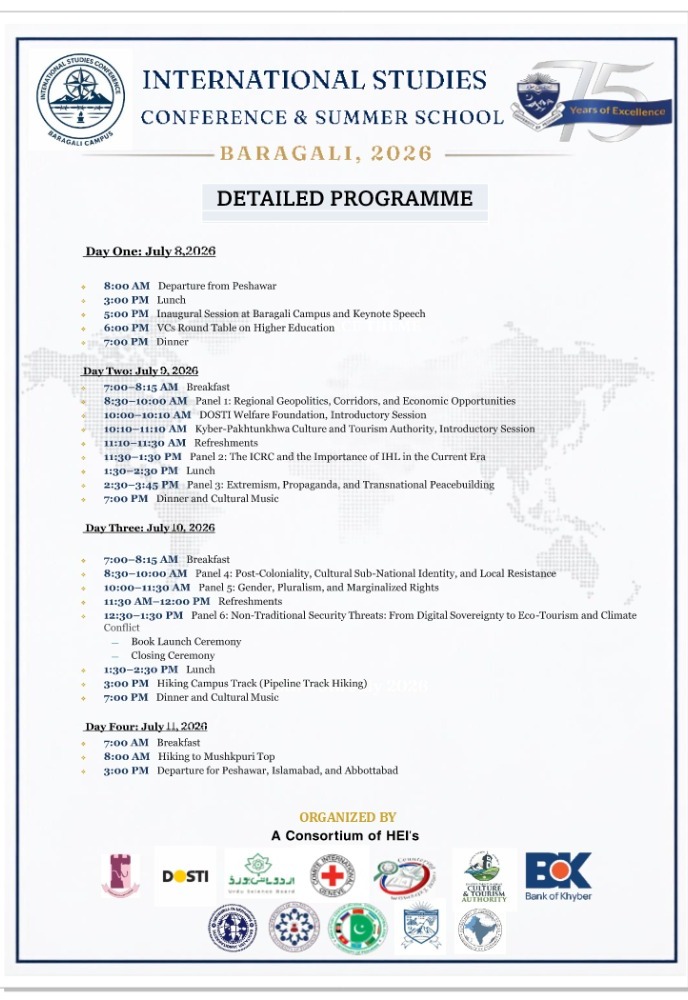
Conference Schedule
Be Part of This Academic Gathering
Register now to secure your spot at the premier international studies conference of 2026
Speakers
Panel 1: Regional Geopolitics Corridors and Economic Opportunities
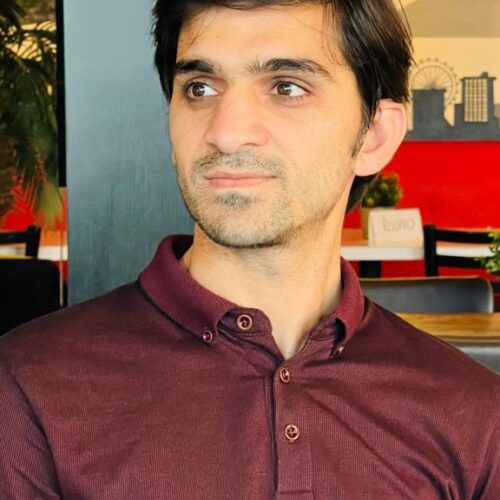
Abdul Ghaffar
Paper Titer: New Great Game, Baluchistan and Politics of Corridors
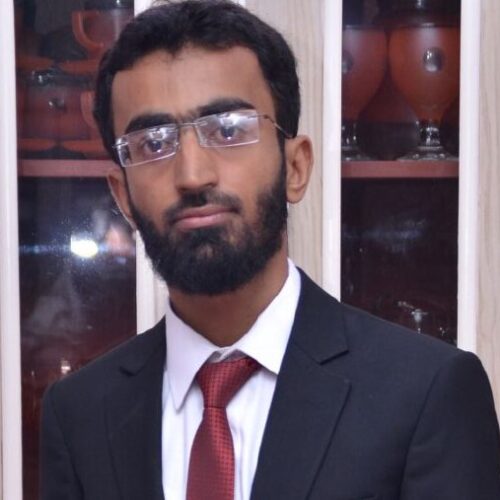
Hafiz Muhammad Khurram Ayub
Paper Title : From Partition to CPEC: Geopolitical Flux and Economic Corridors in South Asia’s Post-Colonial History
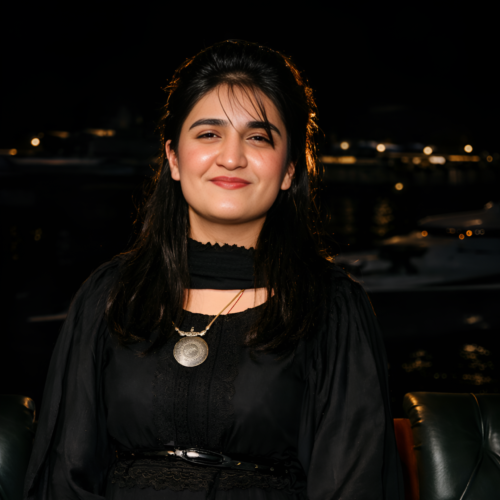
Amina Munir
Paper Title : Navigating Geo-economic Fragmentation: Pakistan’s Compliance, Hedging, and Economic Diplomacy in a Coercive Global Order
Mr. Inam
Paper Title: Understanding Vulnerability Beyond Disasters: Evidence from a Multidimensional District-Level Vulnerability Index in KP (2004-05 to 2019-20)
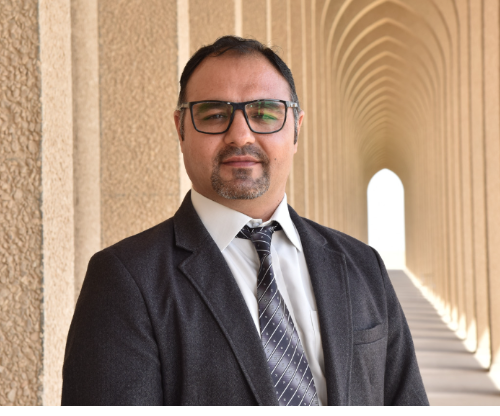
Muhammad Saeed
Paper Title: Migration, Foreign Remittances and Socio-Economic Development in District Upper Dir, Pakistan: A Qualitative Analysis of Household Transformations and Structural Constraints
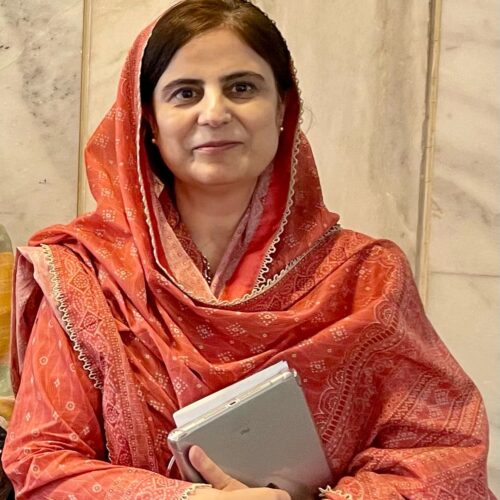
Shagufta Aman
Paper Title : Analyzing Trends and Patterns in Regular Labour Migration from Pakistan to Germany, Finland, Greece, Ireland, and Italy (2015–2024)
Panel 3: Extremism Propaganda and Transnational Peacebuilding
Imtiaz Ali
Paper Title: Indo-Pak Conflict Over Kashmir: Global Governance Gaps and the Promise of Conflict Resolution Theory
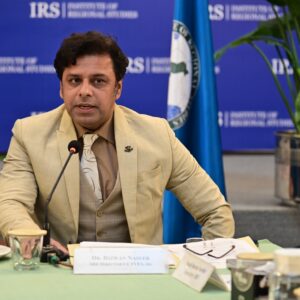
Dr. Rizwan Naseer
Paper Title: Digital Ecosystem, Narrative Construction and Promotion: A. Case Study of TTP
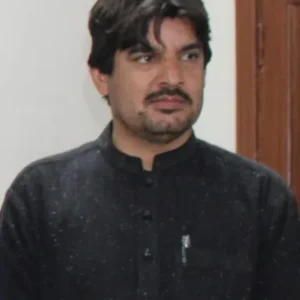
Dr. Wajid Mehmood
Paper Title: The Aesthetic of Suffering and Martyrdom: Reframing Tehreek-e-Taliban Pakistan’s Recruitment Strategies
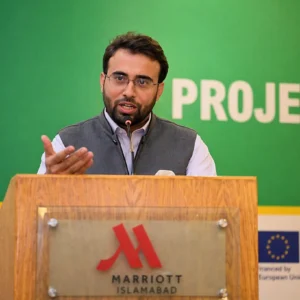
Muhammad Ilyas
Paper Title: Understanding the Relationship Between Formality and Informality in the Policing Practices of Khyber as a State Periphery.
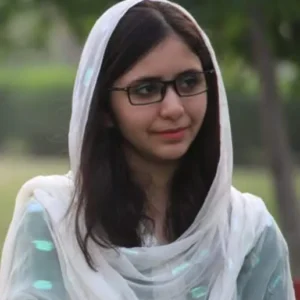
Kashmala
Paper Title: Militant Hubs Redefined: Analysis of the Islamic Emirate of Afghanistan through the Lens of Alliance Formation Theory.
Panel 4: Extremism Propaganda and Transnational Peacebuilding
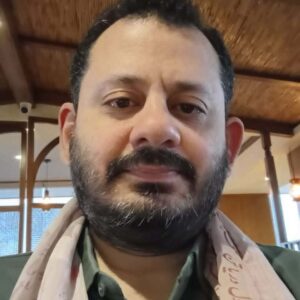
Raza Naeem
Paper : The Voice of (a) Qalandar (Momand): Gramsci of the Khyber
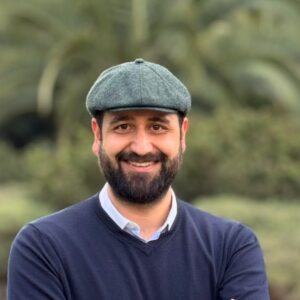
Fazal Wahab
Paper Title: Selective Epistemic In/Justice: A Call for Decolonisation
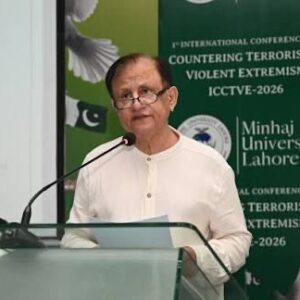
Muhammad Feyyaz
Effects and Strategy of Counter Terrorism
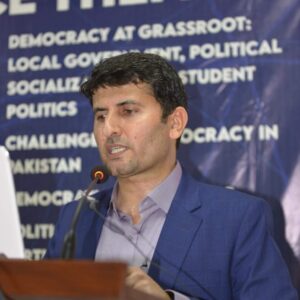
Alamgir Khan
Paper Title : Militancy, Militarisation and Marginalisation: The Predicament of Pakhtuns Living in the Former Tribal Areas of Pakistan
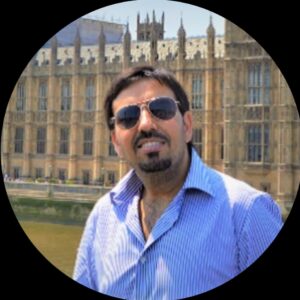
Asif Iqbal Dawar
Paper Title : Winning the battle, losing the peace: A critical analysis of tribal land conflicts and the resurgence of terrorism in former FATA
Panel 5: Gender Pluralism and Marginalized Rights

Tahira Saba
Paper Title : Religion, Difference, and Violence: Governing Pluralism in the Age of Moral Politics
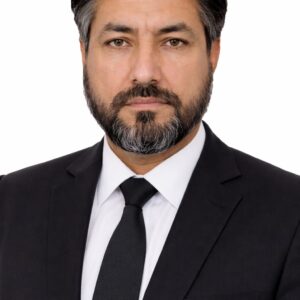
JAVED KHAN
Paper Title: Children Without a Country: Legal Identity and the Protection Gaps for Refugee Children in Pakistan
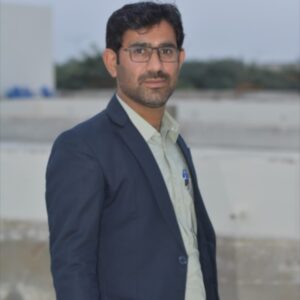
Muhammad Ozair
Paper Title: The Feminization of Resistance in Balochistan: Baloch Nationalism in the Changing Geopolitical Landscape of Pakistan
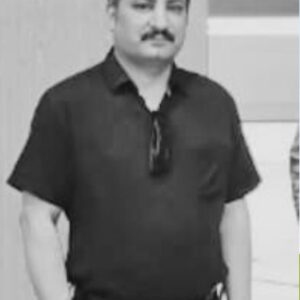
Muhammad Riaz
Paper Title: The Feminization of Resistance in Balochistan: Baloch Nationalism in the Changing Geopolitical Landscape of Pakistan
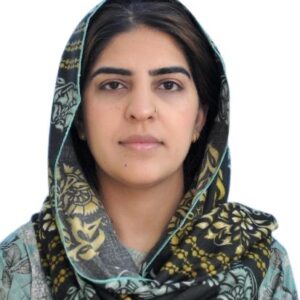
Sapna Rahman
Paper Title : Genderisation and Localisation of Peacebuilding: A Constructivist Paradigm and Discourse Analysis of the Opinion of Women in Swat
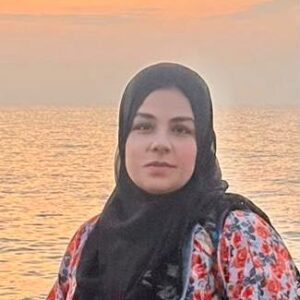
Farae Naeem
Paper Title : State Response and the Politics of Identity: A Comparative Study of Balochistan And Northern Ireland
Panel 6: Non-Traditional Security Threats: From Digital Sovereignty to Eco-Tourism and Climate Conflict

Izhar Ullah
Paper Title: Challenges to Ecotourism in Kohistan: A Political Ecology Analysis of the State–Capital Nexus
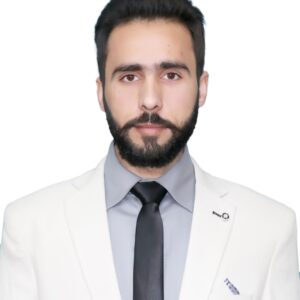
Basit Ali
Paper Title : Strategic Stability and Crisis Management Mechanism: Emerging technologies and lessons from the Indo-Pakistan May conflict 2025
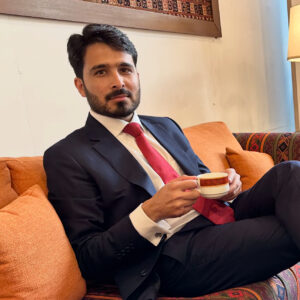
Muhammad Irfan Mahsud
Muhammad Irfan Mahsud
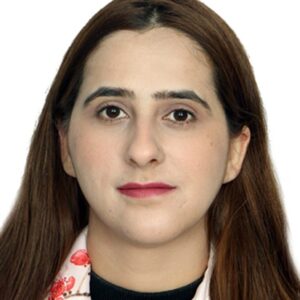
Tahzeeb Mahreen
Paper Title : Climate Security and Regional Stability in South Asia: Policy Challenges and Opportunities for Pakistan

Kinza Tasleem Chauhdry
Paper Title : From Dependency to Digital Sovereignty: Pakistan in the Global South
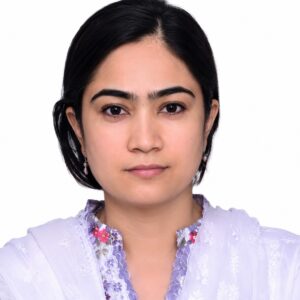
Musarat Amin
Paper Title: Digital currency, Regulatory Gaps and Security Threats in Pakistan